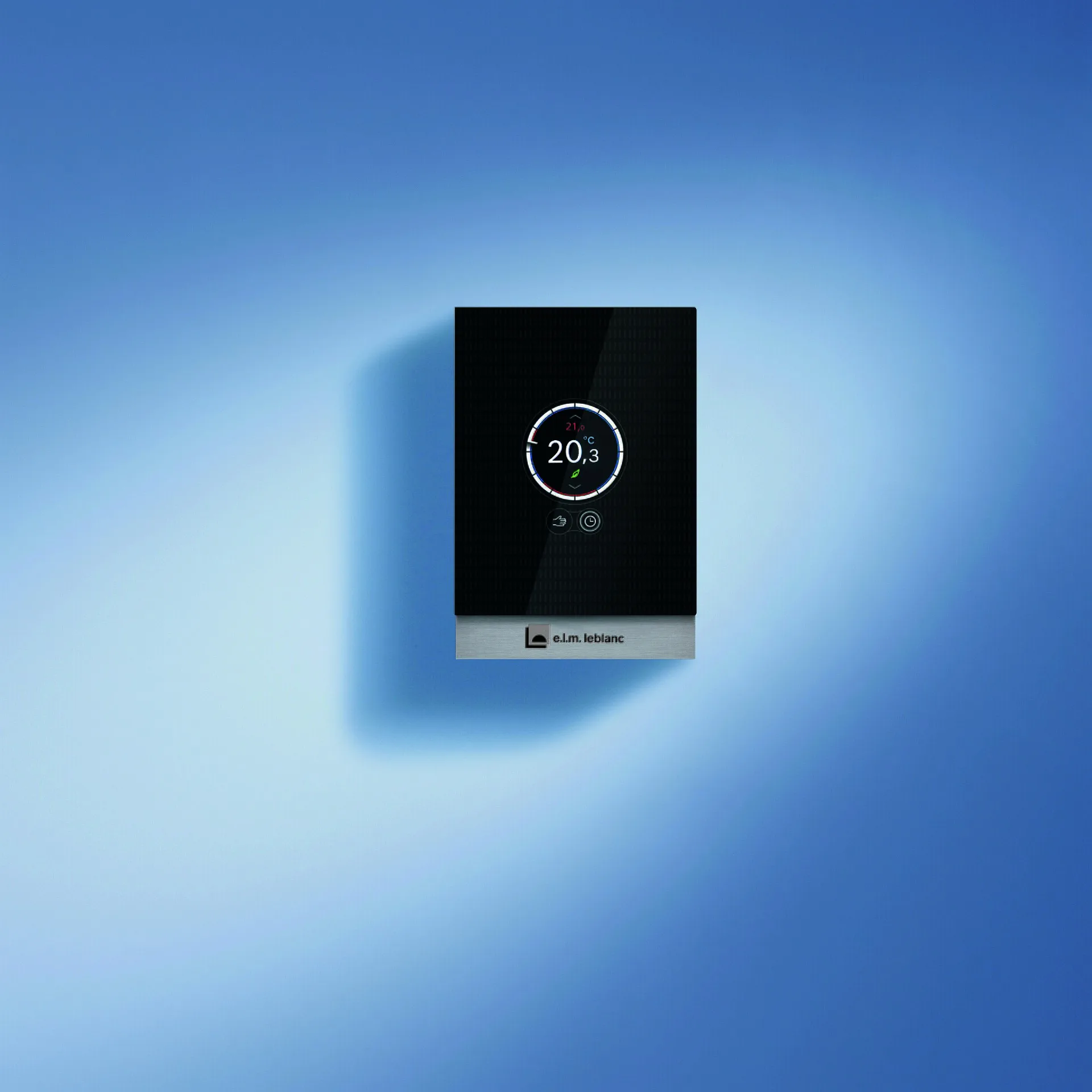
Photo by E.l.m. leblanc, CC BY-SA 4.0, via Wikimedia Commons
Disclosure: this article may contain affiliate links.
You can save money on electric bill expenses by identifying energy-wasting appliances, adjusting thermostat settings, and switching to time-of-use rates if available in your area. High utility costs usually stem from heating and cooling inefficiencies, phantom power draw from electronics, and outdated lighting, all of which can be reduced with low-cost behavioral changes and targeted hardware upgrades. Understanding how your home consumes energy allows you to cut costs without sacrificing comfort, whether you rent an apartment or own a house. Small, consistent adjustments often yield the most reliable results, helping you reduce household expenses over time without requiring major renovations.
How to find energy vampires in your home?
Many electronics draw power even when turned off, a phenomenon known as standby power or vampire drain. This hidden consumption can add a noticeable amount to your monthly charges. To identify which devices are responsible, you need a plug-load meter. The P3 International Kill-a-Watt is a widely available tool that measures voltage, current, wattage, and estimated cost. Plug the meter into the wall outlet, then plug the appliance into the meter. Leave the device in place for several days to capture usage patterns. This reveals if a coffee maker, television, or gaming console is drawing significant power while idle.
Once you identify the worst offenders, use smart power strips to manage phantom loads. A Belkin Conserve Smart Surge Protector features master and control ports; when the master device turns off, the strip cuts power to the connected peripherals. This is ideal for entertainment centers or home offices. For individual devices, a Kasa Smart Wi-Fi Plug allows you to schedule power on and off times via a mobile app, ensuring chargers and small appliances are not drawing electricity overnight or when you are away.
What smart thermostat saves the most money?
Heating and cooling typically account for the largest portion of residential electricity usage. A programmable or learning thermostat prevents the system from running when the home is empty or when occupants are asleep. The Nest Learning Thermostat learns your schedule over time and adjusts temperatures automatically based on occupancy. It also provides remote control via a smartphone app, allowing you to lower settings while you are at work. The Ecobee Smart Thermostat offers similar automation but often includes room sensors that detect activity in different areas, helping to balance temperature and avoid heating or cooling empty rooms.
When installing a smart thermostat, set it to 78°F in the summer and 68°F in the winter when you are awake and home. Program setbacks of several degrees for times when the house is unoccupied or when residents are sleeping. Many electric utilities offer rebates for Energy Star-rated thermostats, so check your provider’s website before purchasing. Rebates can significantly offset the initial cost, making the upgrade pay for itself faster.
How do time-of-use rates lower electricity costs?
Time-of-use (TOU) rates charge different prices for electricity depending on the time of day. Peak periods, often between 4:00 PM and 9:00 PM on weekdays, carry the highest rates because demand on the grid is highest. Off-peak hours, such as late night and early morning, have lower rates. If your utility offers TOU plans, shifting energy-intensive tasks to off-peak times can help you compare utility plans and choose a rate structure that matches your lifestyle.
Run dishwashers, washing machines, and dryers after 9:00 PM or before 7:00 AM. If you have an electric vehicle or a home battery system, schedule charging to occur exclusively during off-peak hours. However, TOU rates are not always the best choice. If you work from home and use appliances throughout the day, a flat-rate plan might be more cost-effective. Review your usage history to determine when your home draws the most power. If your peak usage aligns with the utility’s peak pricing window, a TOU plan may increase your bill rather than decrease it.
Which appliances use the most electricity?
Beyond heating and cooling, large appliances contribute heavily to energy consumption. Refrigerators run continuously and benefit from regular maintenance. Clean the condenser coils at least twice a year; dust buildup forces the compressor to work harder, increasing energy draw. Ensure the door seals are tight by closing the door on a piece of paper; if the paper slides out easily, the seal is compromised and needs replacement. Set the refrigerator temperature to 35°F to 38°F and the freezer to 0°F. Warmer settings waste energy without improving food preservation.
Washing machines use energy primarily to heat water. Switching to cold water for most loads drastically reduces consumption. Modern detergents are formulated to clean effectively in cold water. Always run full loads to maximize efficiency, and clean the lint filter in the dryer after every cycle to maintain airflow. Water heaters are another major consumer. Set the water heater thermostat to 120°F, which is sufficient for most household needs and reduces standby heat loss. Insulating hot water pipes prevents heat loss as water travels from the heater to the faucet.
How to seal drafts to reduce heating and cooling costs?
Air leaks force HVAC systems to work overtime to maintain temperature. Weatherstripping around doors and caulk around windows are low-cost fixes with immediate impact. Check for drafts by holding a lit incense stick near gaps on a windy day; if the smoke moves toward the gap, air is entering or escaping. Apply foam tape weatherstripping to movable parts like door bottoms and window sashes. Use silicone caulk on stationary gaps around trim, outlets, and pipes.
Ceiling fans can extend the life of your HVAC system by creating a wind-chill effect. In the summer, set the fan to rotate counter-clockwise to push air downward. In the winter, reverse the direction to clockwise to pull cool air up and push warm air trapped near the ceiling outward along the walls. Remember that fans cool people, not rooms. Turn off the fan when you leave the room, as it provides no cooling benefit if no one is present. track monthly spending after making these changes to verify the reduction in usage.
Can you negotiate your electric rate with the provider?
Utilities are often regulated monopolies, so you cannot negotiate the base rate directly. However, you can inquire about budget billing programs, which average your annual usage to create a fixed monthly payment. This stabilizes cash flow and prevents spikes during extreme weather months. Call your provider to ask about low-income assistance programs if you qualify; many utilities offer discounted rates for eligible households. Additionally, ask about rebates for high-efficiency upgrades. Providers frequently subsidize insulation, LED retrofits, and high-efficiency HVAC systems. Some utilities offer free energy audits, where a technician visits the home to identify waste and recommend specific improvements.
Frequently Asked Questions
How long does it take to see savings on the electric bill? Behavioral changes like lowering the thermostat and running appliances in cold water often appear on the next billing cycle. Hardware upgrades like smart plugs or LED bulbs reduce usage immediately, but the financial benefit depends on your local electricity rates and how frequently you use the devices.
Do smart plugs actually save money? Smart plugs save money by eliminating phantom load from devices that draw power while off or charging. The savings vary by device; a phone charger left plugged in for months adds up, while a single TV remote may not justify the cost of a smart plug. Use a plug-load meter to confirm if a device draws significant standby power before investing in controls.
Is budget billing a good option for saving money? Budget billing does not lower your total annual cost; it simply spreads the payment evenly across twelve months. This option is helpful for cash flow management because it prevents large spikes during hot summers or cold winters. At the end of the year, the utility adjusts your balance based on actual usage, so you may owe a final payment or receive a refund.
How do I know if my utility offers time-of-use rates? Contact your electric provider or check their website for rate schedules. Search for terms like “Time-of-Use,” “TOU,” “Critical Peak Pricing,” or “Real-Time Pricing.” Your online account portal often displays a list of available rate plans. If the information is not clear, call customer service and ask a representative to explain the peak and off-peak windows for each plan.
Can renters save money on electric bills? Renters can save money by focusing on plug loads, lighting, and appliance habits. Use smart power strips to cut phantom drain, switch to LED bulbs, and run laundry with cold water and full loads. If you control the thermostat, program setbacks when you are out or asleep. Weatherstripping removable doors and using draft stoppers under entry doors can also reduce HVAC load without violating lease terms.
Conclusion
Reducing your electricity costs requires a mix of behavior changes, strategic scheduling, and targeted hardware upgrades. Start by auditing your usage with a plug-load meter to identify waste, then implement thermostat setbacks and switch to off-peak appliance operation. Smart thermostats, efficient lighting, and weatherization provide lasting improvements that compound over time. By understanding how your home consumes energy and leveraging tools like smart plugs and power strips, you can maintain comfort while keeping utility expenses under control. Consistent attention to these details ensures that every kilowatt-hour spent delivers value rather than waste.